
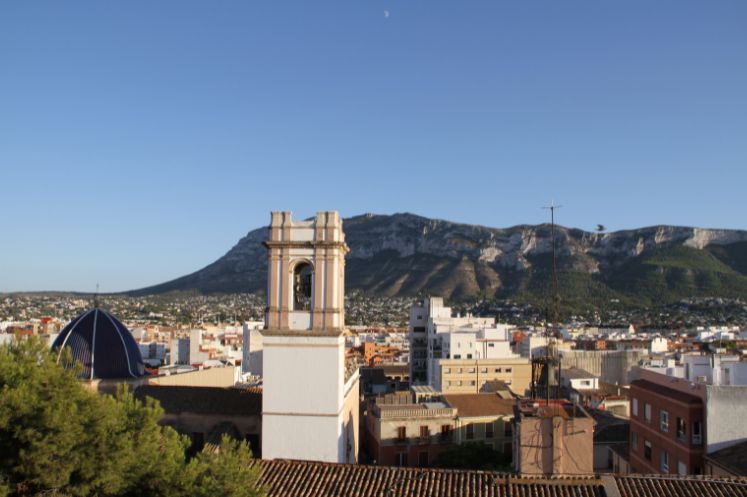
Dénia is a Mediterranean town where the architecture reflects centuries of history, maritime activity, urban life and contemporary transformation. Its buildings and public spaces demonstrate how a town can preserve its heritage identity whilst adapting its infrastructure, facilities and housing to today’s needs.
On this tour, we examine five iconic buildings in Dénia from an architectural perspective: Dénia Castle, the Casa de Cultura, the harbour, the municipal market and the Church of La Asunción. They are not just places to visit; they are key elements in understanding the relationship between history, the town, the landscape and architecture in the Marina Alta.
For Velló Monfort Arquitectes, studying local architecture helps them design better. Every project in Dénia — be it a house, a refurbishment, a commercial premises or a restoration — must engage with the Mediterranean climate, the urban scale, the orientation, the materials and the history of the place.
Contact our architectural firm
Dénia: a town where architecture, history and the Mediterranean come together
The architecture of Dénia is characterised by its strategic location overlooking the Mediterranean, its historical heritage, its port activity and its relationship with the Montgó landscape. The result is a city with overlapping layers: fortifications, religious architecture, public facilities, markets, seafront promenades, traditional dwellings and contemporary developments.
This diversity makes Dénia a particularly interesting case study for understanding how architecture can evolve without losing its identity. In the residential sector, this same principle is important in any new-build project: building well is not just about fulfilling a brief, but about interpreting the surroundings.
1. Dénia Castle: the fortress that defines the town’s historic skyline
Dénia Castle is one of the town’s most recognisable landmarks. Situated on high ground, it overlooks the town centre and clearly illustrates the defensive, political and territorial importance that Dénia has held throughout its history. The current entrance already highlights its strategic location, its walls and its value as a vantage point over the town and the Mediterranean.
From an architectural point of view, the castle is significant for the way it relates to the topography. It does not stand out as an isolated structure, but rather adapts to the hill and utilises its height as a defensive and visual asset. Its walls, towers and layout provide an insight into how historical architecture responded to military, climatic and urban needs.
What makes it architecturally significant
The value of Dénia Castle lies not only in its age. Its significance lies in the way it shapes our perception of the town: from below, it defines the town’s skyline; from above, it allows us to understand the relationship between the historic centre, the harbour, the sea and the surrounding countryside.
As a relevant external source, distinct from those cited previously, Dénia’s official tourism website lists the castle as one of the town’s main heritage sites and links it to local urban history. You can find further information in the official entry on Dénia Castle on the municipal tourism website.
2. Dénia Cultural Centre: public facilities and cultural life
The Dénia Cultural Centre exemplifies the role of public facilities in contemporary urban life. According to the current entry, it stands out for its role as a cultural centre and a venue for exhibitions, concerts and social activities.
Its architectural significance lies not only in its appearance, but also in its ability to bring the city to life. A well-designed public building must be accessible, flexible and recognisable; it must allow for a variety of uses and facilitate interaction between citizens.
Contemporary architecture integrated into the city
The Casa de Cultura demonstrates how contemporary architecture can be integrated into an existing urban fabric without competing with it. The key lies in scale, functional clarity, the influx of natural light and the building’s ability to serve the community.
This relationship between architecture, use and functionality is also essential in public building projects, where the design must meet both technical and social criteria.
3. The Port of Dénia: maritime infrastructure, urban landscape and economic activity
The Port of Dénia is more than just a maritime facility. It is an urban, economic and scenic space that shapes the city’s relationship with the sea. The current entrance reflects its modernisation, improved accessibility, recreational areas and its role as a hub for commercial, fishing and leisure activities.
From an architectural and urban planning perspective, the port provides an opportunity to examine how infrastructure can also become a public space. Quays, promenades, restaurants, leisure areas and pedestrian routes combine to create an urban experience linked to the Mediterranean.
The port as a functional and social space
The challenge of any port development is to strike a balance between economic activity, transport, the landscape and public use. In Dénia, the port forms part of the town’s visual and everyday identity; it is not merely a point of arrival and departure, but an extension of the urban space.
4. Dénia Municipal Market: tradition, trade and urban regeneration
Dénia’s Municipal Market embodies the everyday architecture that keeps a town alive. The current entrance presents it as a blend of tradition and modernity, highlighting its refurbishment, improved accessibility and the preservation of its traditional architecture.
Markets are particularly interesting buildings because they combine functionality, local identity and social life. They are not merely places to shop: they foster relationships between neighbours, producers, visitors and local businesses.
How to preserve identity whilst adapting to modern practices
Renovating a market requires architectural sensitivity. Facilities, accessibility, circulation routes, lighting and comfort must be improved without erasing the building’s original character. This same principle applies to many refurbishment and regeneration projects: modernising a building does not mean erasing its history, but rather making it compatible with present-day needs.
5. Church of the Assumption: religious architecture and urban memory
The Church of the Assumption in Dénia is an important part of the town’s religious and urban heritage. The current entrance highlights its Baroque façade, its restoration and its cultural significance for local residents and visitors alike.
Religious architecture has a very clear urban dimension: it structures squares, routes and views. In many historic centres, churches act as landmarks and help us to understand the evolution of the urban fabric.
Heritage value and presence in the historic centre
Beyond its religious function, the Church of the Assumption forms part of Dénia’s collective memory. Its presence, scale and architectural style help us to understand the continuity between architecture, tradition and public space.
What do these buildings tell us about architecture in Dénia?
Dénia’s iconic buildings share a common theme: architecture cannot be understood in isolation. Each building is shaped by its historical, urban, climatic and social context.
The Castle illustrates the city’s defensive and territorial aspects. The Cultural Centre highlights the importance of public facilities. The Port links architecture, landscape and the economy. The Market reveals the value of everyday architecture. The Church of the Assumption serves as a reminder of the role of heritage in urban identity.
These lessons also apply to current projects. Whether it is a home, a renovation or a public building, the result will be better if the design takes into account orientation, scale, materials, regulations, energy efficiency and the relationship with the surroundings. In Mediterranean regions, moreover, strategies such as utilising natural light in the home or passive design help to create more comfortable and efficient spaces.
Frequently asked questions about Dénia’s landmark buildings
What are the most iconic buildings in Dénia?
Among Dénia’s most iconic buildings and architectural landmarks are Dénia Castle, the Casa de Cultura, the harbour, the municipal market and the Church of La Asunción. Each one represents a different period in the town’s urban, cultural and architectural history.
What is the most important historic building in Dénia?
Dénia Castle is probably the town’s most iconic historic building, owing to its elevated position, its heritage value and its role in shaping the character of the town centre and the Mediterranean landscape.
What characterises the architecture of Dénia?
Dénia’s architecture is characterised by the coexistence of historical heritage, religious architecture, port infrastructure, public facilities, traditional markets and Mediterranean residential architecture adapted to the climate and landscape.
Which buildings should I visit in Dénia if I’m interested in architecture?
If you’re interested in architecture, you can visit Dénia Castle, the Church of the Assumption, the Municipal Market, the Cultural Centre and the area around the harbour. These sites offer an insight into the town’s historical, urban and social development.
How does the Mediterranean climate influence the architecture of Dénia?
The Mediterranean climate influences orientation, ventilation, sun protection, the use of courtyards, terraces and porches, light-coloured materials and passive strategies to improve thermal comfort and make the most of natural light.
Why is it important to respect the environment when building or renovating in Dénia?
Because every project forms part of an urban and Mediterranean landscape with its own identity. Respecting the environment means taking into account scale, orientation, materials, regulations, energy efficiency and the relationship with existing architecture.
Architects in Dénia specialising in new-build, renovation and refurbishment projects
thoughtfully. Every home, renovation or building must be tailored to its context: its orientation, the climate, planning regulations, the landscape, the budget and the way of life.
At Velló Monfort Arquitectes, we undertake new-build projects, refurbishments, renovations, interior design and project management in the Valencian Community. If you are considering building or renovating in the Marina Alta, you can find out more about our architectural services in Dénia or get in touch with the team via the Velló Monfort Arquitectes contact page.
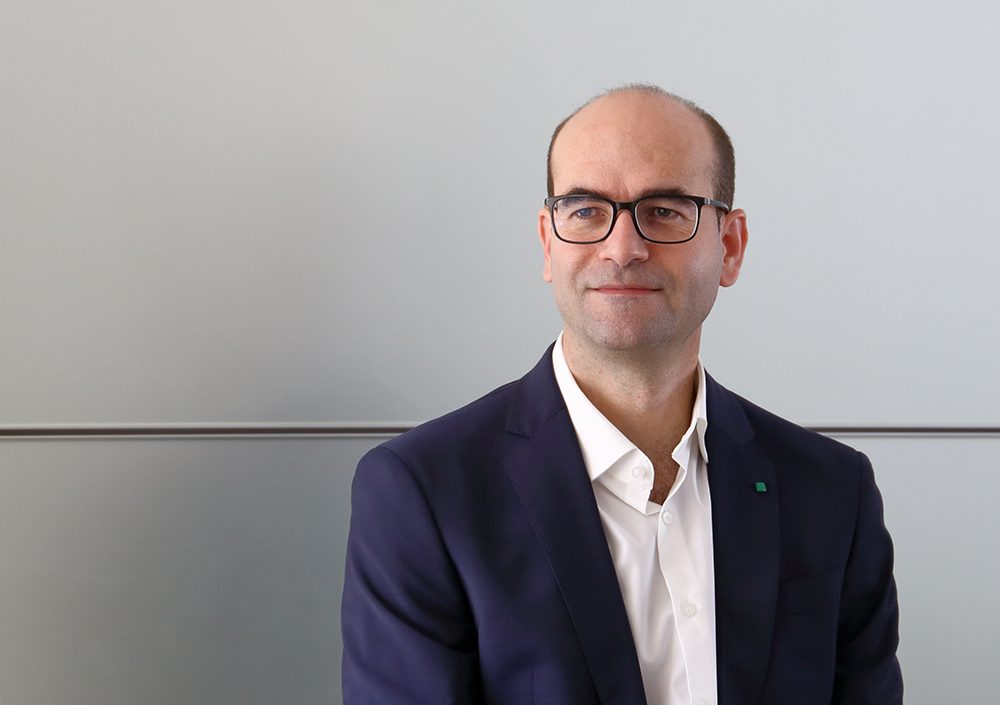
About the author: José Antonio Velló
Architect registered with the COACV and co-founder of Velló Monfort Arquitectes. He has over 20 years of experience in the design, renovation and technical management of residential and public projects in the Valencian Community.
Specialist in urban planning regulations, energy efficiency, and comprehensive construction management for individuals, developers, and public entities.